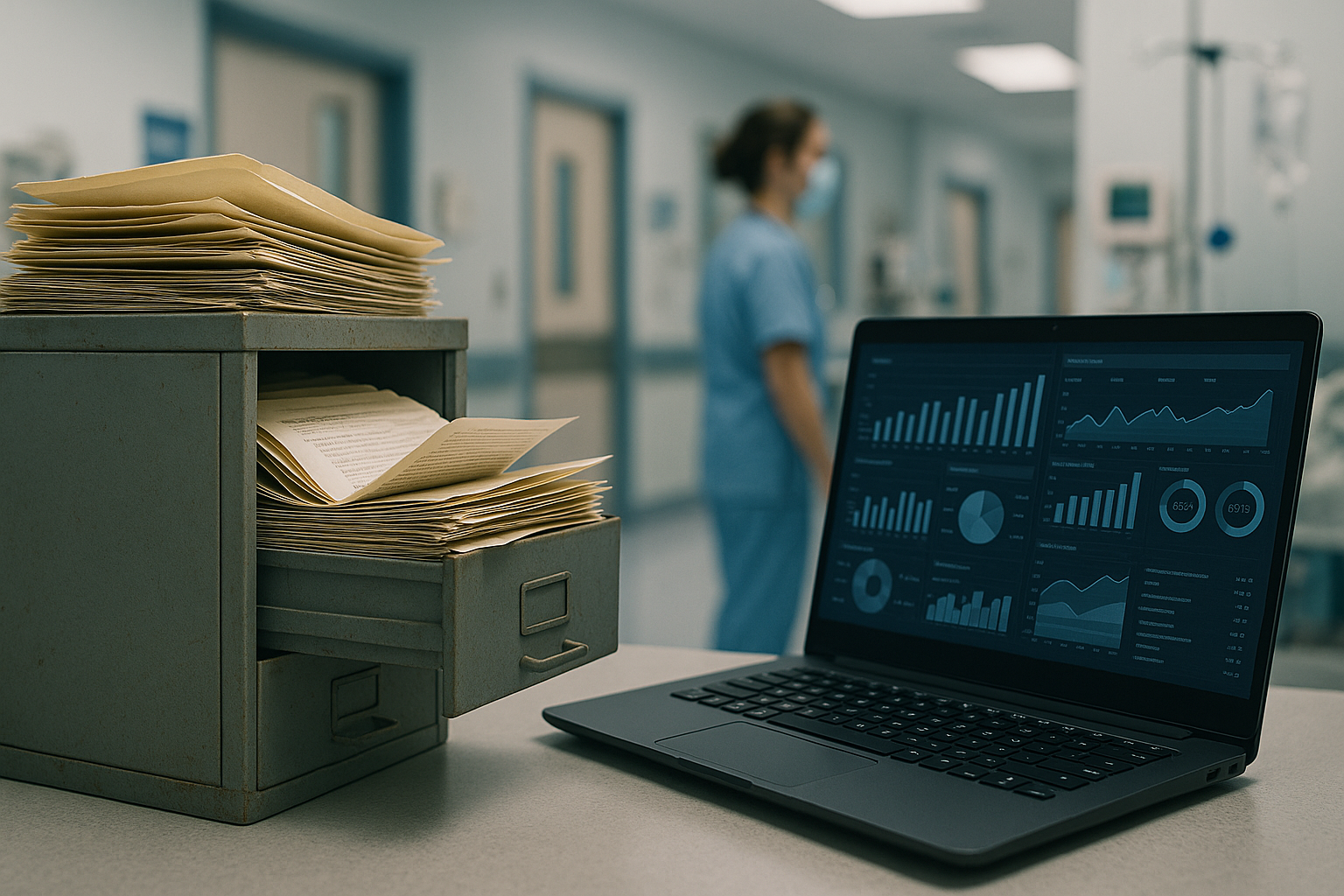


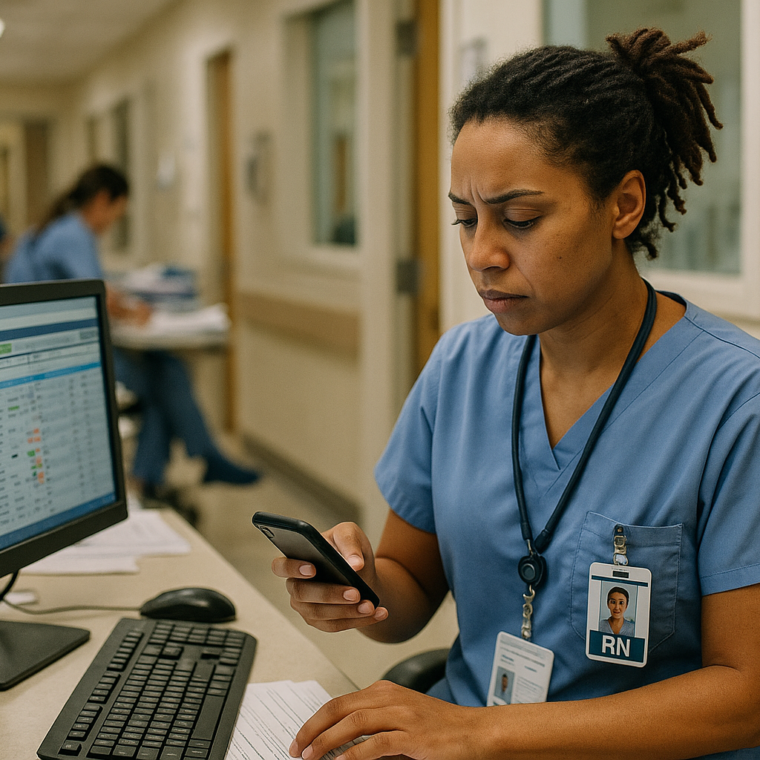

At 7:05 a.m., the morning shift is already rolling and the nurses’ station looks like a toll booth: queues to document, review orders, and capture vitals. Every extra click away from the bedside adds pressure. In 2025, that strain isn’t anecdotal: evidence shows EHR usability is directly associated with nurse burnout—and that
mobile access to the EHR reduces time pressure and improves documentation. (OUP Academic)
The problem that’s already here (and why leadership should care)
- Real talent shortages. Official projections estimated a U.S. shortfall of ~78,610 full-time equivalent (FTE) RNs by 2025; across the Americas, multiple countries face significant workforce gaps that threaten coverage.
(Bureau de la Force de Santé) - EHR and exhaustion. In a multicenter study, each one-point improvement in nurse-rated EHR usability was associated with a 2% reduction in the odds of burnout. This isn’t only about “how many hands”,
it’s about how those hands work. (OUP Academic)
Translation to the floor: if the EHR is cumbersome and forces frequent returns to
the station, staff spend less time with patients, documentation piles up, and
fatigue rises.
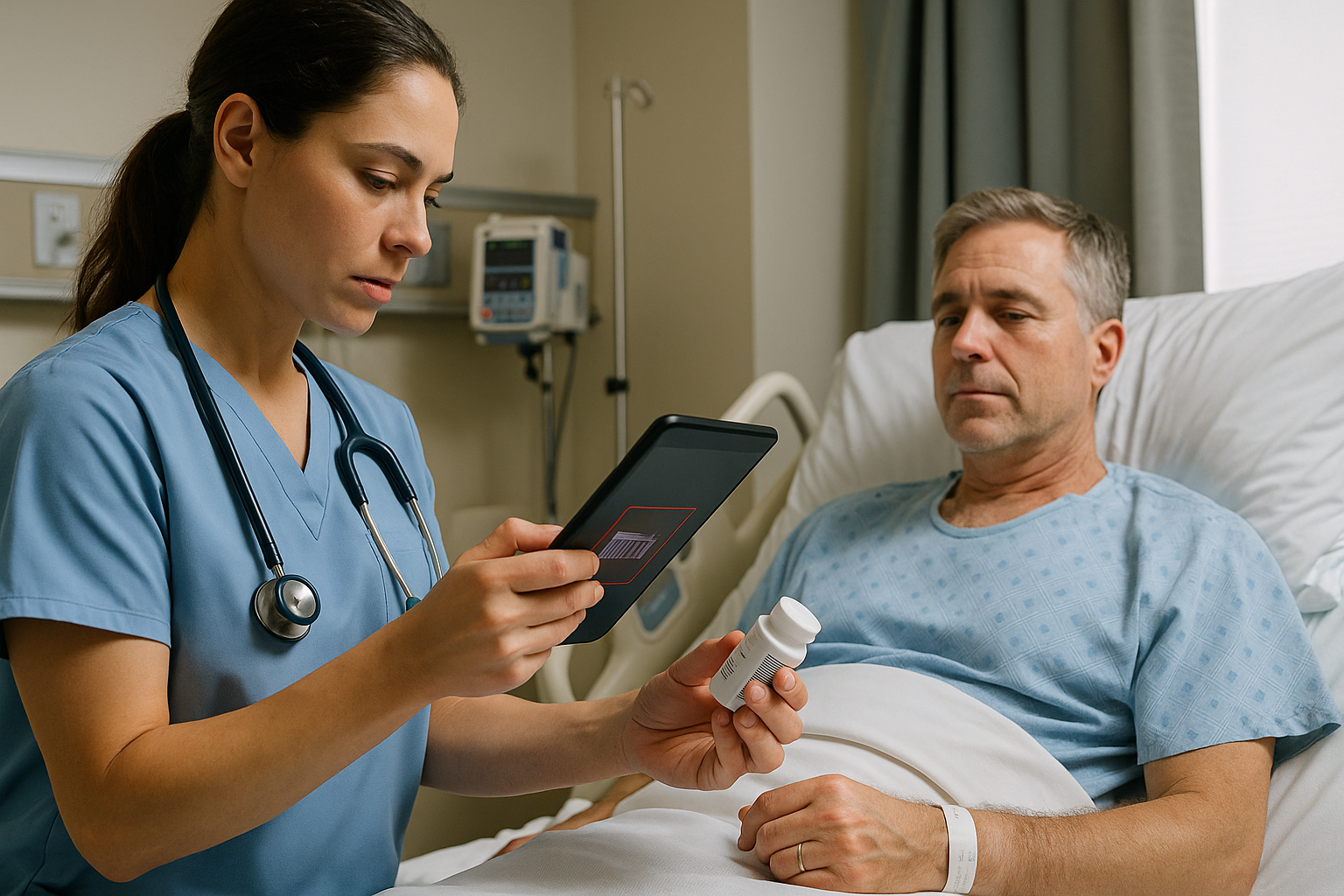
What changes when the EHR fits in your pocket (mobile, at the point of care)
The promise isn’t “more apps,” it’s the same EHR, better access:
- Less sprinting back to the nurses’ station. Using the mobile version of the EHR is associated with lower perceived time pressure and less system-related stress. (PMC)
- Real-time documentation. Bedside documentation apps show workflow and documentation gains, with faster communication between nursing and the rest of the care team. (OUP Academic)
- A user experience closer to care. Nursing staff and practical nurses report positive experiences when documenting on mobile devices during routine tasks—fewer interruptions, more timely records. (Revista JMIR)
This isn’t about handing out tablets; it’s about bringing the EHR to the point of care with service-specific templates, quick orders, and contextual entries.
The HarmoniMD angle (mobile built for care)
- HarmoniMD: a cloud EHR/HIS with multi-device access and service-tailored workflows, designed for point-of-care documentation—so nurses aren’t chained to desktop stations.
- CLARA (AI medical assistant): verifiable summaries and assisted documentation inside the EHR (no copy-paste to external tools), helping speed progress notes and trim admin burden without compromising
security.
Conclusion
Nurse retention isn’t solved by pay scales alone. If the EHR forces staff to walk more and care less, burnout accelerates. When teams document in real time on mobile, shifts flow, data start clean, and staff gain back minutes of care. It’s a simple lever: bring the system to the patient—not the patient to the system.
Want to see this in your hospital?
Book a HarmoniMD + CLARA demo, or let’s design a plan to measure (and improve) your nursing team’s documentation time, satisfaction, and retention.